
Insulin resistance is one of the most common—and often undiagnosed—metabolic conditions, with estimates suggesting that roughly 26% to over 45% of adults worldwide may be affected. It is a leading driver of prediabetes and type 2 diabetes, affecting millions of South Africans without obvious symptoms. Understanding insulin resistance, its warning signs, and how to reverse it is critical for preventing long-term health complications.
This article explores what insulin resistance is, its causes, symptoms, risks, and—most importantly—how to prevent or reverse it using evidence-based strategies.
The Growing Burden of Insulin Resistance in South Africa
Diabetes has become increasingly common in South Africa. According to research by theUniversity of the Witwatersrand, diabetes affects 12% of South Africa’s adult population and is the second leading cause of death after tuberculosis in the country. Even more concerning is that an estimated 1 in 3 South African adults are pre-diabetic, representing a significant health crisis. According to data from the South African Demographic and Health Survey, this includes approximately 64% of women and 66% of men, with other estimates indicating roughly five million people have the condition.
Insulin resistance plays a central role in this growing epidemic. Because it develops silently over time, many individuals are unaware of the metabolic changes occurring in their bodies until complications arise.
What Is Insulin Resistance?
Insulin is a hormone produced by the pancreas that regulates blood glucose (sugar) levels. It allows glucose from the bloodstream to enter the body’s cells, where it is used for energy.
Insulin resistance occurs when the body’s cells—particularly muscle, fat, and liver cells—become less responsive to insulin. As a result, glucose cannot enter the cells efficiently and begins to accumulate in the bloodstream. To compensate, the pancreas produces more insulin. For a period, this increased insulin production can maintain normal blood sugar levels. However, over time, the pancreas cannot keep up with the demand. This leads to elevated blood glucose levels, setting the stage for prediabetesand eventually Type 2 Diabetes.
What Causes Insulin Resistance?
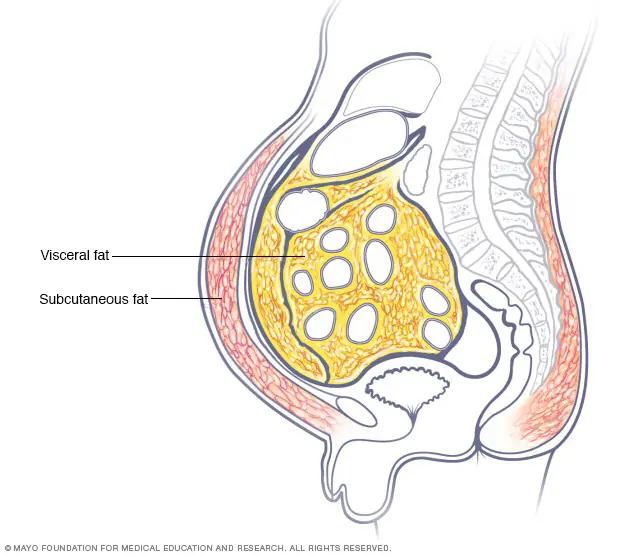
The exact cause of insulin resistance is not fully understood, but research highlights several contributing factors:
1. Excess Body Fat
Fat accumulation—particularly around the abdomen—is strongly associated with insulin resistance. Visceral fat (fat surrounding internal organs) releases inflammatory substances that interfere with insulin function.
2. Physical Inactivity
A sedentary lifestyle reduces the body’s ability to use insulin effectively. Regular physical activity improves insulin sensitivity and glucose uptake.
3. Poor Diet
Diets high in refined carbohydrates, added sugars, and processed foods can lead to repeated spikes in blood sugar, placing strain on insulin regulation.
4. Genetics and Family History
Individuals with a family history of diabetes are at higher risk, suggesting a genetic predisposition.
5. Smoking and Lifestyle Factors
Smoking has been linked to increased insulin resistance and a higher risk of metabolic diseases.
Importantly, insulin resistance is not limited to individuals who are overweight. People with a normal body weight may also develop the condition, making routine screening essential.
Symptoms: Why Insulin Resistance Often Goes Unnoticed
According to Mayo Clinicone of the most concerning aspects of insulin resistance is that it often presents with no obvious symptoms. Many individuals may live with the condition for years without realising it.
In some cases, subtle signs may appear, which may include:
- Persistent fatigue
- Increased hunger or sugar cravings
- Difficulty losing weight
- Darkened patches of skin (a condition known as acanthosis nigricans)
- Elevated blood sugar levels detected during routine testing
Because symptoms are often absent or mild, regular health screenings are crucial for early detection.
Health Risks of Insulin Resistance
If left unmanaged, insulin resistance can lead to several serious health conditions, including:
- Prediabetes
- Type 2 Diabetes
- Cardiovascular disease
- Obesity and metabolic syndrome
Research from the National Library of Medicine indicates that insulin resistance is a key driver of long-term metabolic and cardiovascular complications.
How to Prevent and Reverse Insulin Resistance
The encouraging news is that insulin resistance can often be improved—and even reversed—through lifestyle changes. The following evidence-based strategies are widely recommended:
1. Maintain a Healthy Weight
Losing even a small percentage of body weight (5–10%) can significantly improve insulin sensitivity, particularly if excess fat is concentrated around the abdomen.
2. Improve Your Diet
Adopt a mediterranean dietrich in:
- Whole grains
- Lean proteins (e.g., eggs, fish, legumes)
- Healthy fats (e.g., avocado, nuts, olive oil)
- High-fibre foods
Limit intake of sugary beverages, refined carbohydrates, and ultra-processed foods.
3. Exercise Regularly
The World Health Organization recommends engaging in at least 150 minutes of moderate physical activity per week – such as brisk walking – to improve glucose uptake and insulin function.
4. Quit Smoking
Smoking cessation reduces inflammation and improves overall metabolic health. Fedhealthoffers members the free GoSmokeFree smoking cessation programme once per year to help them quit smoking permanently. This program is available at over 200 pharmacies nationwide and includes a pre-quit assessment and five support sessions, with options for both in-person and virtual consultations to provide professional support.
5. Stay Hydrated
Drinking sufficient water supports metabolic processes and helps regulate blood sugar levels.
6. Optimise Vitamin D Levels
Vitamin D may play a role in insulin sensitivity. Foods such as fatty fish, eggs, and fortified dairy products can help maintain adequate levels.
7. Manage Stress
Chronic stress triggers the release of hormones like cortisol and adrenaline, which can elevate blood sugar levels. Stress management techniquessuch as mindfulness, exercise, and adequate sleep are beneficial.
The Importance of Early Detection
Early diagnosis of insulin resistance is critical in preventing progression to more serious conditions. Regular screening of blood glucose levels—especially for individuals with risk factors—can lead to timely intervention. Healthcare professionals may use tests such as fasting glucose, HbA1c, or insulin levels to assess metabolic health.
Raising Awareness: World Diabetes Day
Every year on World Diabetes Day (14 November), global efforts focus on raising awareness about diabetes prevention, early detection, and management. This initiative highlights the importance of lifestyle changes and education in reducing the global burden of the disease.
Conclusion
Insulin resistance is a serious condition that affects millions of people globally, often without their knowledge. In South Africa, where diabetes rates are rising, understanding and addressing insulin resistance is more important than ever.
The good news is that this condition is largely preventable and manageable. By adopting a healthy lifestyle—balanced nutrition, regular physical activity, stress management, and routine health screenings—individuals can significantly reduce their risk of developing type 2 diabetes.
Taking action today can help prevent long-term complications tomorrow.
References:
- Centers for Disease Control and Prevention. (n.d.). Managing stress.
https://www.cdc.gov/mental-health/living-with/index.html - Fedhealth. (n.d.). Quit smoking with GoSmokeFree.
https://www.fedhealth.co.za/benefits/quit-smoking-with-gosmokefree/ - Fedhealth. (2025). How to live a healthy life with diabetes.
https://www.fedhealth.co.za/articles/how-to-live-a-healthy-life-with-diabetes/ - Freeman, A. M., Pennings, N., & Insogna, K. (2023). Insulin resistance. National Library of Medicine.
https://www.ncbi.nlm.nih.gov/books/NBK507839/ - Hofman, K., et al. (2023). Diabetes – SA’s second biggest killer. University of the Witwatersrand.
https://www.wits.ac.za/news/latest-news/opinion/2023/2023-11/diabetes—sas-second-biggest-killer.html - Mayo Clinic. (2022). What is insulin resistance? A Mayo Clinic expert explains.
https://www.mayoclinic.org/diseases-conditions/obesity/multimedia/vid-20536756 - Mayo Clinic. (2023). Prediabetes.
https://www.mayoclinic.org/diseases-conditions/prediabetes/symptoms-causes/syc-20355278 - Mirabelli, M., Chiefari, E., Arcidiacono, B., Corigliano, D. M., Brunetti, F. S., Maggisano, V., Russo, D., Foti, D. P., & Brunetti, A. (2020). Mediterranean diet nutrients to turn the tide against insulin resistance and related diseases. https://pmc.ncbi.nlm.nih.gov/articles/PMC7230471/
- Sweet Life. (n.d.). Prediabetes stats in South Africa.
https://sweetlife.org.za/prediabetes-stats-in-south-africa/ - World Health Organization. (n.d.). Physical activity.
https://www.who.int/initiatives/behealthy/physical-activity
Frequently Asked Questions
1. What is insulin resistance?
Insulin resistance is a condition where the body’s cells do not respond properly to insulin, causing blood sugar levels to rise. Over time, this can lead to prediabetes and Type 2 Diabetes if not managed.
2. What are the symptoms of insulin resistance?
Most people have no obvious symptoms. However, some may experience fatigue, increased hunger, difficulty losing weight, or dark patches of skin. Many cases are only detected through blood tests.
3. What causes insulin resistance?
Common causes include excess abdominal fat, lack of physical activity, poor diet, smoking, and genetics. These factors reduce the body’s ability to use insulin effectively.
4. Can insulin resistance be reversed?
Yes. Lifestyle changes such as regular exercise, a balanced diet, weight loss, and stress management can significantly improve insulin sensitivity and reduce the risk of developing diabetes.
5. What foods should you avoid with insulin resistance?
Limit sugary drinks, refined carbohydrates, and processed foods. These can cause blood sugar spikes and worsen insulin resistance over time.
6. How is insulin resistance diagnosed?
It is diagnosed through blood tests such as fasting glucose or HbA1c. Health organisations like the Centers for Disease Control and Prevention recommend regular screening for at-risk individuals.
7. Is insulin resistance the same as diabetes?
No. Insulin resistance is a precursor to diabetes. If left untreated, it can progress to Type 2 Diabetes, but early intervention can prevent this.


