
By Fedhealth
In recent years, the relationship between probiotics and weight loss has gained significant scientific and mainstream attention. From kombucha lining supermarket shelves to kimchi featured on restaurant menus, fermented foods have become synonymous with “gut health.” As research into the gut microbiome expands, scientists are discovering that the bacteria living in the digestive system may influence metabolism, appetite regulation, inflammation and body fat storage. Can improving your microbiome genuinely support fat loss, or is this simply another nutrition trend?
This article explores what credible research reveals about probiotics, metabolism, appetite regulation, and sustainable weight management — and whether nourishing your gut can help you achieve healthier body composition.
What Are Probiotics?
The World Health Organization (WHO), in collaboration with theFood and Agriculture Organization (FAO), defines probiotics as: “live microorganisms which when administered in adequate amounts confer a health benefit on the host”.
The human gut contains trillions of microorganisms, collectively known as the gut microbiome. This complex ecosystem plays a critical role in:
- Digestive health
- Immune function
- Hormone regulation
- Inflammation control
- Nutrient absorption
- Energy metabolism
When gut bacteria are balanced and diverse, they support overall health. When disrupted — a state known as dysbiosis — metabolic disturbances may occur.
The Gut Microbiome and Obesity: What Does the Research Say?
Scientific interest in the microbiome accelerated after studies demonstrated that gut bacteria influence how the body extracts energy from food. Research published in the British Journal of Nutrition and indexed in the National Library of Medicine found differences in gut bacterial composition between lean and obese children. These findings sparked the hypothesis that certain bacterial strains may influence fat storage and appetite regulation.
Further research suggests:
- Some bacteria enhance energy harvested from food.
- Others influence hormones such as ghrelin (hunger hormone) and leptin (satiety hormone).
- The microbiome may affect insulin sensitivity and inflammation — both linked to obesity.
A 2013 clinical trial published in the National Library of Medicine found that women with obesity who consumed Lactobacillus rhamnosus supplements alongside a calorie-restricted diet for 24 weeks lost significantly more weight and fat mass than those receiving a placebo. Interestingly, the effect was more pronounced in women than in men.
A 2017 meta-analysis in BMJ Journals concluded that certain probiotic strains may produce modest reductions in body weight and body fat, particularly when combined with dietary changes. However, researchers emphasise that results vary depending on strain type, dosage, and individual microbiome differences.
Key insight: Probiotics may support weight loss, but they are not a standalone solution.
How Probiotics May Support Weight Management
Although evidence remains emerging, several mechanisms explain how probiotics may influence body weight:
- Improved Metabolism
Certain bacterial strains may enhance fat oxidation and regulate glucose metabolism. Improved insulin sensitivity can reduce fat storage and stabilise blood sugar levels.
- Appetite Regulation
The gut communicates directly with the brain via the gut-brain axis. Beneficial bacteria influence the production of short-chain fatty acids (SCFAs), which help regulate appetite hormones and reduce cravings.
- Reduced Inflammation
Chronic low-grade inflammation is associated with obesity. Probiotics may help lower inflammatory markers, potentially improving metabolic health.
- Reduced Fat Absorption
Some strains, such as Lactobacillus gasseri, have shown potential in modestly reducing abdominal fat accumulation in small trials.
However, it is important to emphasise that probiotic supplementation alone will not override excessive calorie intake or sedentary behaviour.
Best Fermented Foods for Gut Health and Weight Loss
Incorporating fermented foods into your daily diet is a practical strategy for supporting gut health. Many traditional cultures have long relied on fermented foods as dietary staples.
Kimchi

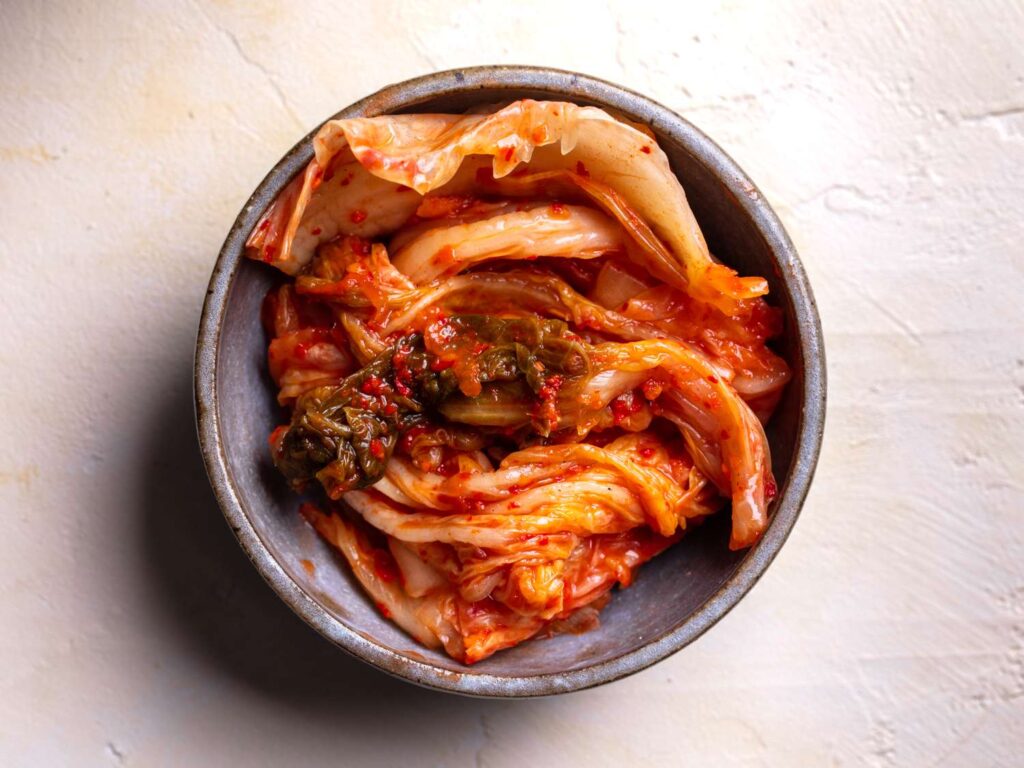
A staple in Korean cuisine, kimchi contains lactic acid bacteria that support microbial diversity. Korea’s traditional dietary patterns include fermented vegetables at most meals.
Sauerkraut

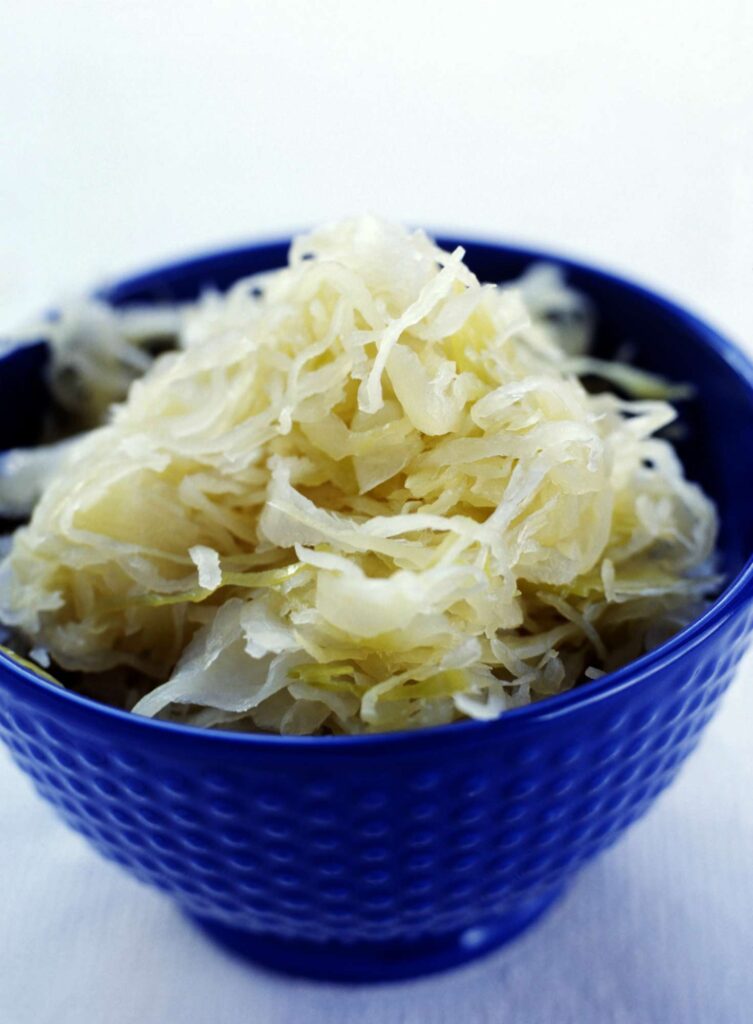

Common in Germany and Eastern Europe, sauerkraut is fermented cabbage rich in beneficial bacteria and fibre.
Miso and Tempeh

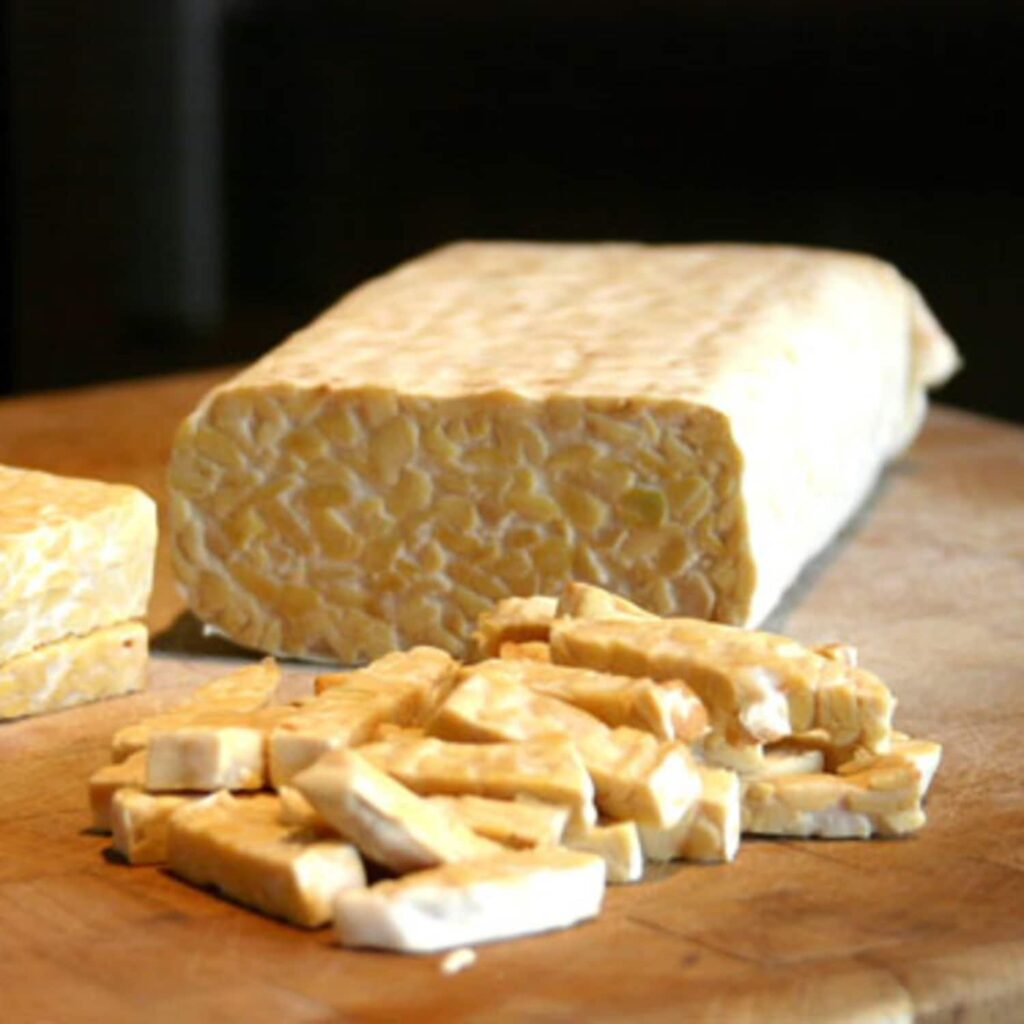
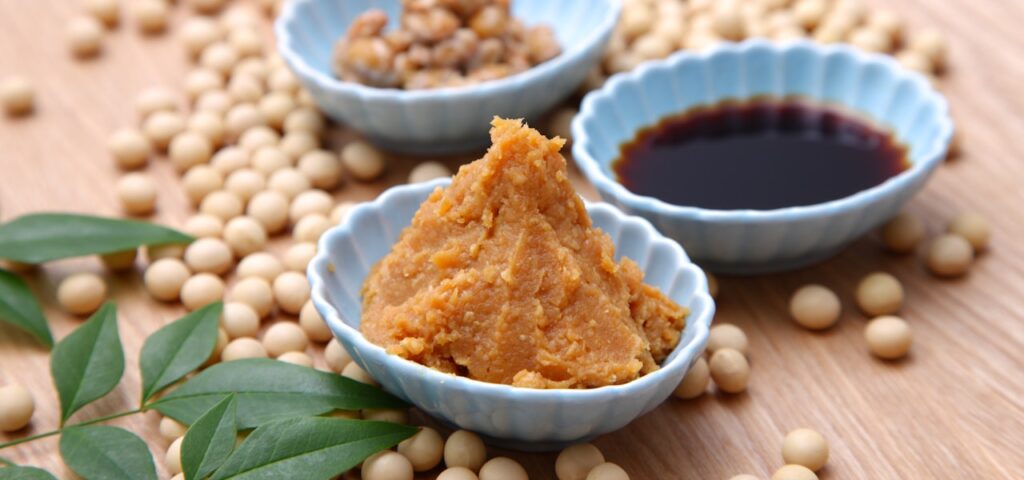
Traditional in Japan and parts of China, fermented soy products such as miso and tempeh provide probiotics alongside plant-based protein.
Kombucha



This fermented tea contains a symbiotic culture of bacteria and yeast (SCOBY). While popular, commercial varieties may contain added sugars, so label reading is essential.
Should You Take a Probiotic Supplement?
Probiotic supplements can be beneficial, particularly after antibiotic use, which disrupts gut bacteria. However, not all supplements are equal. Consider the following:
- Choose strain-specific products supported by clinical research.
- Look for colony-forming units (CFUs) in the billions.
- Ensure proper storage and viability.
- Consult a healthcare professional if you have underlying health conditions.
Importantly, supplements work best alongside a nutrient-dense, high-fibre diet.
Fibre: The Unsung Hero of Weight Loss and Gut Health
While probiotics introduce beneficial bacteria, prebiotics (dietary fibre) feed them. High-fibre foods promote microbial diversity and satiety.
Research from the Harvard Health Publishing highlights that fibre-rich diets support healthy body weight by:
- Increasing fullness
- Reducing calorie density
- Stabilising blood sugar
- Supporting beneficial bacteria
Excellent sources include:
- Vegetables
- Fruits
- Legumes
- Whole grains
- Nuts and seeds
For sustainable weight loss, dietary diversity matters more than isolated supplementation.
Lifestyle Habits That Improve Gut Health and Support Weight Loss
A healthy microbiome depends on more than food alone. Consider these evidence-based lifestyle factors:
- Regular physical activity improves microbial diversity.
- Adequate sleep regulates appetite hormones.
- Stress management supports gut-brain signalling.
- Avoid unnecessary antibiotics, as they eliminate beneficial strains.
- Limit processed foods, which may negatively impact gut bacteria.
Weight management is multifactorial, and probiotics represent only one component of a broader strategy.
Frequently Asked Questions (FAQ)
- Can probiotics help you lose belly fat?
Some studies suggest specific strains may modestly reduce abdominal fat. However, effects are small and require concurrent calorie control and exercise.
- How long does it take for probiotics to work for weight loss?
Clinical trials typically observe minimal effects after 12–24 weeks. Results vary based on strain, dosage, and individual microbiome composition.
- Are fermented foods better than supplements?
Whole fermented foods offer additional nutrients and fibre. Supplements may be useful in targeted situations but should not replace a healthy diet.
- Can probiotics cause weight gain?
Certain strains may influence weight differently. Effects are strain-specific, highlighting the importance of informed product selection.
Bottom Line: Are Probiotics a Weight Loss Solution?
Evidence suggests that probiotics may play a supportive role in weight management by influencing metabolism, appetite regulation, and inflammation. However, they are not a quick fix for obesity. A healthy gut is typically a reflection of a healthy lifestyle.
Sustainable weight loss depends on:
- A calorie-appropriate, nutrient-dense diet
- High fibre intake
- Regular physical activity
- Adequate sleep
- Stress management
Incorporating fermented foods into your diet can support gut diversity and overall wellbeing – weight loss may be a beneficial secondary outcome.
Probiotics are part of the puzzle — but long-term success lies in consistent, evidence-based lifestyle habits.
References:
- Bajagai, Y. S., Klieve, A. V., Dart, P. J., & Bryden, W. L. (2016). Probiotics in animal nutrition: Production, impact and regulation. Food and Agriculture Organization of the United Nations.
https://openknowledge.fao.org/server/api/core/bitstreams/2fda2226-b000-4cee-8186-8cacab86316b/content - Bervoets, L., Van Hoorenbeeck, K., Kortleven, I., Noten, C., Hens, N., Vael, C., Goossens, H., Desager, K., & Vankerckhoven, V. (2013). Differences in gut microbiota composition between obese and lean children: A cross-sectional study. PLoS ONE.
https://pmc.ncbi.nlm.nih.gov/articles/PMC3658928/ - Cleveland Clinic. (2024). Dysbiosis.
https://my.clevelandclinic.org/health/diseases/dysbiosis - Cleveland Clinic. (2025). Could probiotics help with weight loss?
https://health.clevelandclinic.org/could-probiotics-help-with-weight-loss - Els, L. C. (2024). Foods high in fiber: Boost your health with fiber-rich foods. Harvard Health Publishing.
https://www.health.harvard.edu/diet-and-nutrition/foods-high-in-fiber-boost-your-health-with-fiber-rich-foods - Els, L. C. (2024). Prebiotics: Understanding their role in gut health. Harvard Health Publishing.
https://www.health.harvard.edu/diet-and-nutrition/prebiotics-understanding-their-role-in-gut-health - Fedhealth. (2015). The antibiotic resistance crisis.
https://www.fedhealth.co.za/articles/antibiotic-resistance-crisis/ - Fedhealth. (2020). Dealing with stress: Strategies for a healthier life.
https://www.fedhealth.co.za/articles/dealing-with-stress-2/ - Koutnikova, H., Genser, B., Monteiro-Sepulveda, M., Faurie, J., Rizkalla, S., Schrezenmeir, J., Clement, K., & Group, O. S. (2019). Impact of bacterial probiotics on obesity, diabetes and non-alcoholic fatty liver disease related variables: A systematic review and meta-analysis. BMJ Open, 9(3), e017995.
https://bmjopen.bmj.com/content/9/3/e017995 - Psychology Today. (n.d.). Gut-brain axis.
https://www.psychologytoday.com/za/basics/gut-brain-axis - Sanchez, M., Darimont, C., Drapeau, V., Emady-Azar, S., Lepage, M., Rezzonico, E., Ngom-Bru, C., Berger, B., Philippe, L., Ammon-Zuffrey, C., Leone, P., Chevrier, G., St-Amand, E., Marette, A., Doré, J., & Tremblay, A. (2014). Effect of Lactobacillus rhamnosus CGMCC1.3724 supplementation on weight loss and maintenance in obese men and women. British Journal of Nutrition, 111(8), 1507–1519.
https://doi.org/10.1017/S0007114513003875 - World Health Organization. (2024). Physical activity.
https://www.who.int/news-room/fact-sheets/detail/physical-activity


