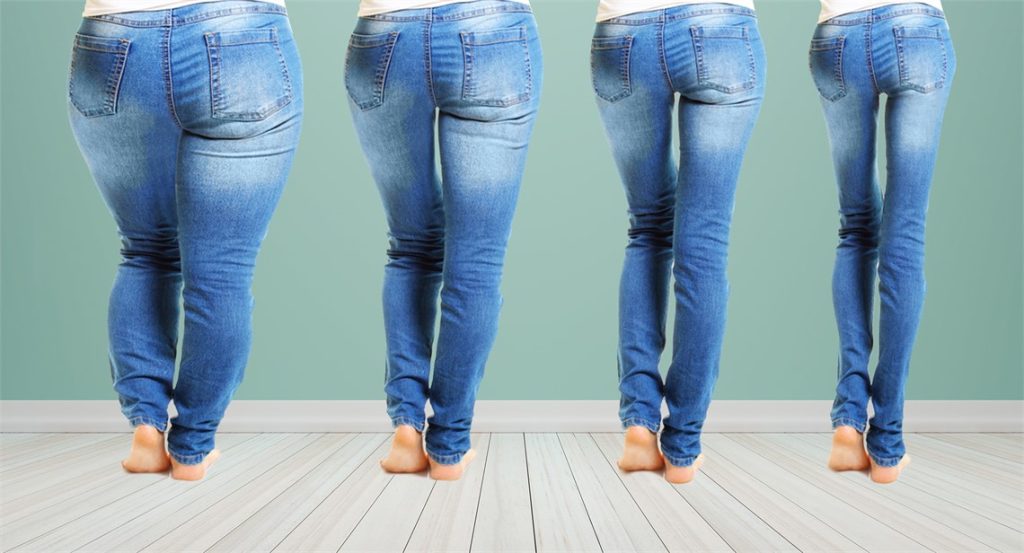
The role of genetics in determining weight and body size has been well-documented with mounting evidence revealing just how deeply our genes influence our physical makeup. However, many are unaware of how lifestyle choices can help manage, or even reverse genetic predispositions. In this article, we explore the significant impact of both genetics and lifestyle choices on your jeans size and body weight. By understanding this relationship, you can take control of your health and weight, regardless of your genes.
The Role of Genetics in Weight
Genetics are a major factor in determining body weight, with several studies indicating that inherited traits significantly influence an individual’s susceptibility to obesity. Research underscores that genetic factors play a significant role in BMI, with estimates ranging from 40% to 70% heritability. One key player in this genetic predisposition is the FTO gene, which regulates ghrelin, a hormone that triggers hunger. Those who inherit the FTO gene are at a higher risk of obesity compared to those without this genetic variant. However, a study in the American Journal of Clinical Nutrition shows that a genetic susceptibility to obesity induced by FTO variation can be overcome, at least in part, by adopting a physically active lifestyle. While genetics play a role in your weight, they do not seal your fate. The combination of balanced nutrition, regular exercise, stress management, and adequate sleep, plays a much larger role in managing your weight than genetics alone.
According to Li Zhaoping, MD, PhD, director of the Center for Human Nutrition at the University of California, “Genetics load the gun, environment pulls the trigger.” Genetic predisposition increases your risk to be overweight and obese, but it can be overcome by healthy lifestyle choices.
The Following Lifestyle Choices are Crucial in Weight Management:
- Balanced Diet:
One of the most effective ways to manage weight is through proper nutrition. A nutrient-dense diet rich in fruits, vegetables, whole grains, lean proteins, and healthy fats helps regulate metabolism and promotes healthy weight loss. To the contrary, processed foods and sugary snacks can lead to weight gain, especially when combined with a sedentary lifestyle. By choosing whole, unprocessed foods, you can prevent obesity and support healthy weight loss strategies. A balanced diet reduces the negative impact of obesity genes and supports overall well-being. Meal timing and portion control can also play a critical role. Research suggests that eating smaller, more frequent meals throughout the day can help control hunger and maintain energy levels, preventing overeating during meals.
- Exercise:
Regular physical activity plays an essential role in weight management, especially for individuals with a genetic predisposition to obesity. Walking for 30 minutes a day, five days a week, can significantly lower the risk of obesity and improve heart health. Even breaking up your exercise into shorter intervals, 10 minutes before work, 10 during lunch, and 10 after dinner, can provide effective results.
Physical activity not only helps burn calories but also boosts metabolism, builds muscle mass, and enhances overall energy balance. Strength training is also a great way to build lean muscle, which in turn helps the body burn more calories even at rest. Studies have shown that muscle tissue burns more calories than fat tissue, so maintaining a healthy muscle-to-fat ratio can significantly impact weight control.
- Managing Stress and Sleep:
Chronic stress can promote unhealthy eating habits, such as overeating or emotional eating, leading to weight gain. Studies published in the Journal of the Academy of Nutrition and Dietetics highlight the connection between chronic stress and obesity. Implementing stress-management practices like yoga, meditation, or spending quality time with loved ones can reduce the adverse effects of stress on weight.
Additionally, insufficient sleep has been linked to weight gain. Sleep deprivation disrupts the hormonal balance between ghrelin (hunger hormone) and leptin (satiety hormone), increasing appetite and cravings for unhealthy foods. 7-9 hours of sleep per night is optimal for weight management and overall health. A consistent sleep schedule and creating a sleep-friendly environment, such as limiting screen time before bed, can improve both sleep quality and weight regulation.
Can Lifestyle Choices Overcome Genetics?
Despite the powerful impact of genetics on weight, lifestyle factors such as diet, exercise, stress management, and sleep hygiene play a much greater role in weight management. According to Harvard Health people with a moderate genetic predisposition to be overweight have a good chance of losing weight on their own by eating fewer calories and getting more vigorous exercise more often. Genetics alone does not determine body weight. Even if you carry obesity-related genes, focusing on health-promoting behaviours can help you manage your weight effectively.
Conclusion:
While genetics may play a role in your susceptibility to obesity, it is your lifestyle choices that truly determine your health and body weight. Through consistent exercise, mindful eating, stress management, and prioritising quality sleep, you can offset genetic predispositions and take control of your well-being.
By focusing on a holistic approach to health, you can manage your weight effectively, fit into your jeans, and lead a healthier, more fulfilling life.
References:
- Centers for Disease Control and Prevention (CDC). (2023). Physical activity and your weight and health. Retrieved from https://www.cdc.gov/healthy-weight-growth/physical-activity/index.html
- Fedhealth. (2024). Find your inner peace in 2024. Retrieved from https://www.fedhealth.co.za/articles/find-your-inner-peace-in-2024/#:~:text=Whether%20you’re%20young%20or,of%20a%20past%20happy%20memory.
- Fedhealth. (2014). The importance of sleep for a healthy lifestyle. Retrieved from https://www.fedhealth.co.za/articles/the-importance-of-sleep-for-a-healthy-lifestyle/
- Harvard Health Publishing. (2019). Why people become overweight. Retrieved from https://www.health.harvard.edu/staying-healthy/why-people-become-overweight
- Harvard T.H. Chan School of Public Health. (n.d.). The Nutrition Source: Best diet – quality counts. Retrieved from https://nutritionsource.hsph.harvard.edu/healthy-weight/best-diet-quality-counts/
- Moore, C.J., et al. (2012). Social position, psychological stress, and obesity: A systematic review. Journal of the Academy of Nutrition and Dietetics. Retrieved from https://www.jandonline.org/article/S2212-2672(11)01947-2/abstract
- Peralta, J. (2019). Here’s how your genes impact your ability to lose weight. Healthline. Retrieved from https://www.healthline.com/health-news/heres-how-much-your-genes-impact-your-ability-to-lose-weight
- Vimaleswaran, K.S., et al. (2009). Physical activity attenuates the body mass index, increasing influence of genetic variation in the FTO gene. The American Journal of Clinical Nutrition. Retrieved from https://www.sciencedirect.com/science/article/pii/S0002916523232359


